Share
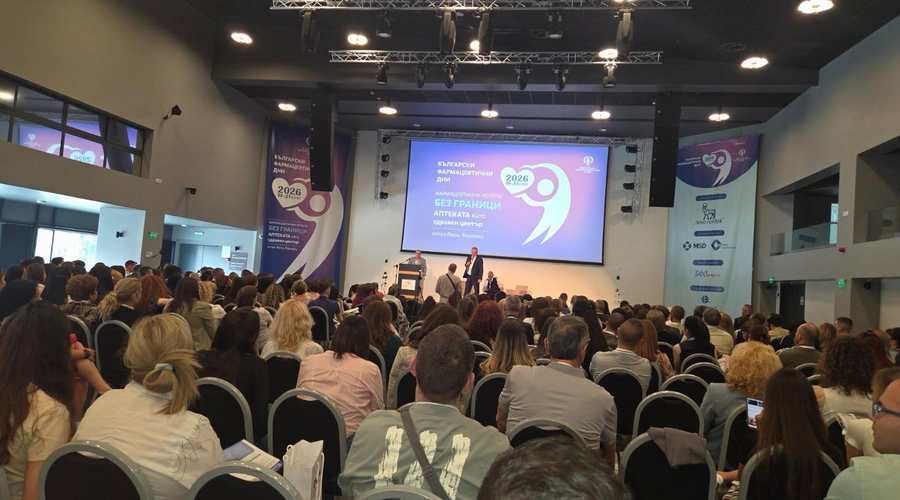
With the introduction of the automatic prescription dispensing reporting system for pharmacies, which was launched in early 2026, and the implementation of real-time prescribing controls, errors in the dispensing of medicines partially or fully reimbursed by the National Health Insurance Fund (NHIF) have decreased by an impressive more than 98%. This was announced by Georgi Nedev, Head of “Health Insurance Systems” at Information Services, during the Bulgarian Pharmaceutical Days 2026 conference, held in Borovets. Prior to the digitalization of the process, experts from the Regional Health Insurance Funds recorded an average of more than 22,000 dispensing errors per month, while following the reform the error rate has fallen below 2%.
“With the introduction of real-time controls and the automatic reporting system, the administrative burden has been completely eliminated, and the risk of financial penalties for pharmacies due to technical errors has been removed,” stated Georgi Nedev. According to him, these impressive results are due to the successful collaboration between Information Services, the National Health Insurance Fund (NHIF), the Ministry of Health, the Bulgarian Pharmaceutical Union, the Bulgarian Medical Association, and software companies providing specialized healthcare software.
The reporting process is now carried out directly through the integration between pharmacy software, the National Health Information System (NHIS), and the NHIF database. When a pharmacist scans and dispenses a medication, the system automatically verifies and confirms the transaction within milliseconds. The sale is automatically recorded as completed and approved for payment by the NHIF, without the need for a subsequent report. Before digitization, pharmacy staff had to generate and submit nearly 5,000 reports each month, which were then processed and verified manually by Regional Health Insurance Fund (RHIF) inspectors, leading to numerous disputes with pharmacists, as well as appeal and arbitration proceedings.
There has also been a significant improvement in the prescription process. Thanks to real-time preventive checks, incorrect prescriptions are identified as soon as the medications are dispensed, which saves considerable time and costs for both pharmacies and patients, who no longer need to return to the doctor to have their prescriptions corrected. Currently, over 2,400 pharmacies nationwide are using the new system, processing more than 3.4 million medication dispenses each month.